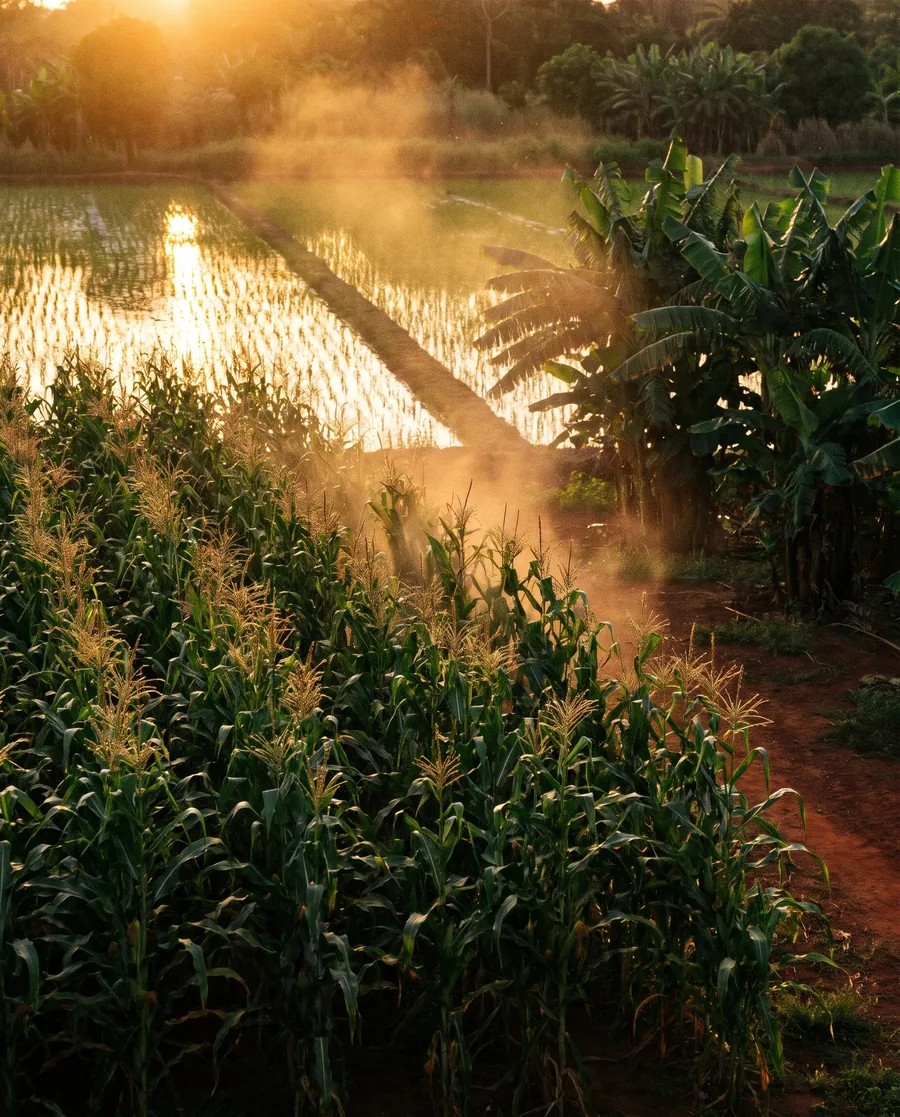
Maize
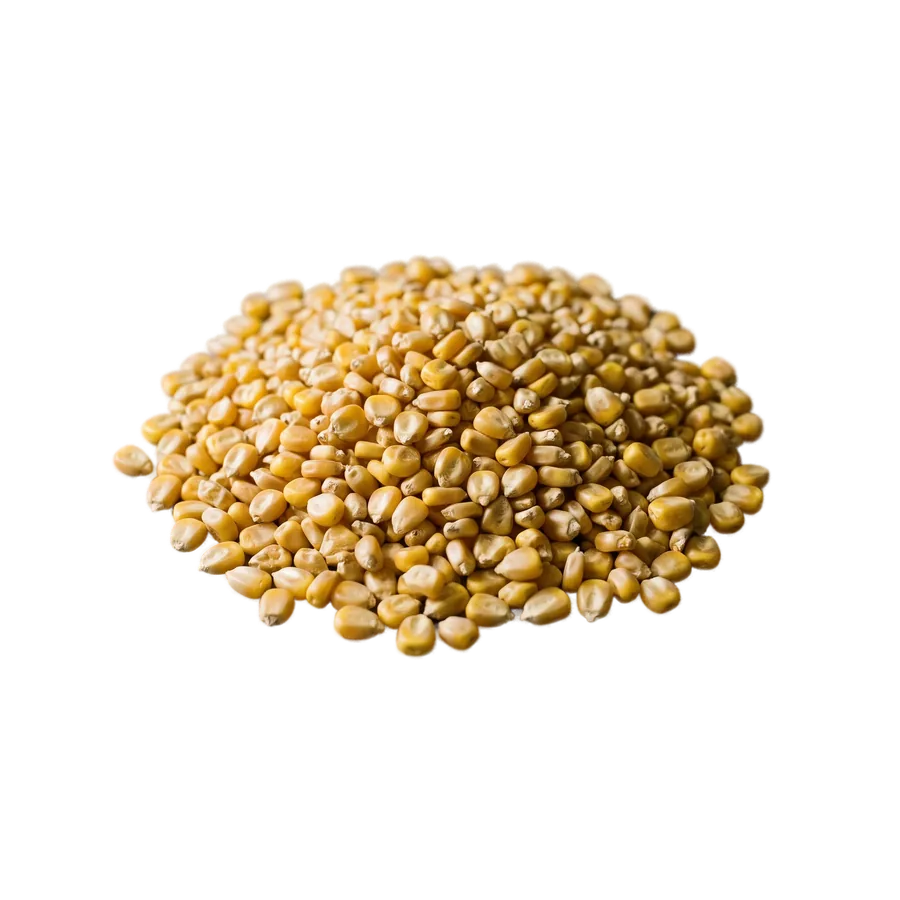
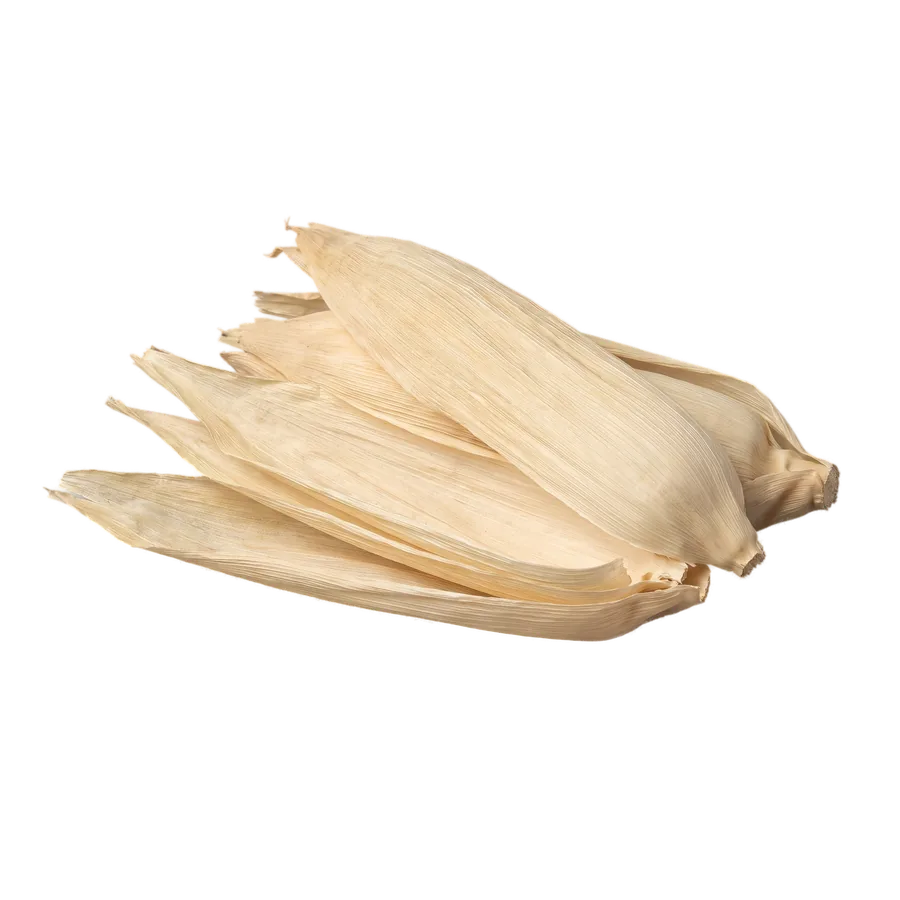
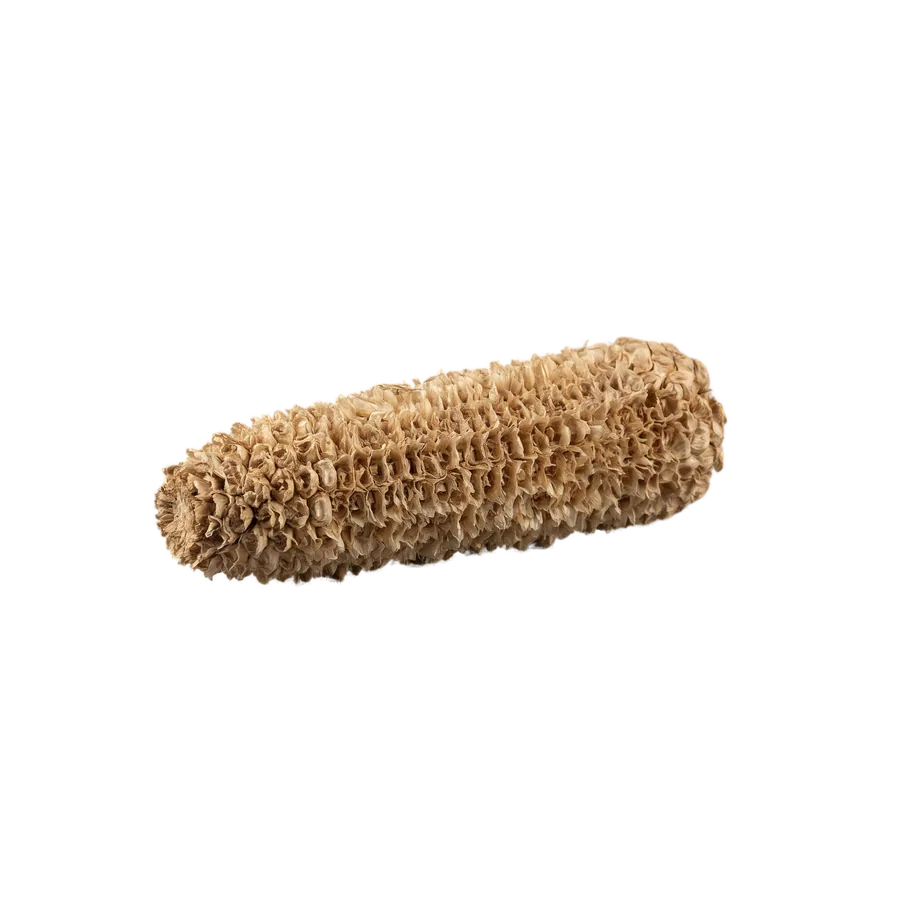
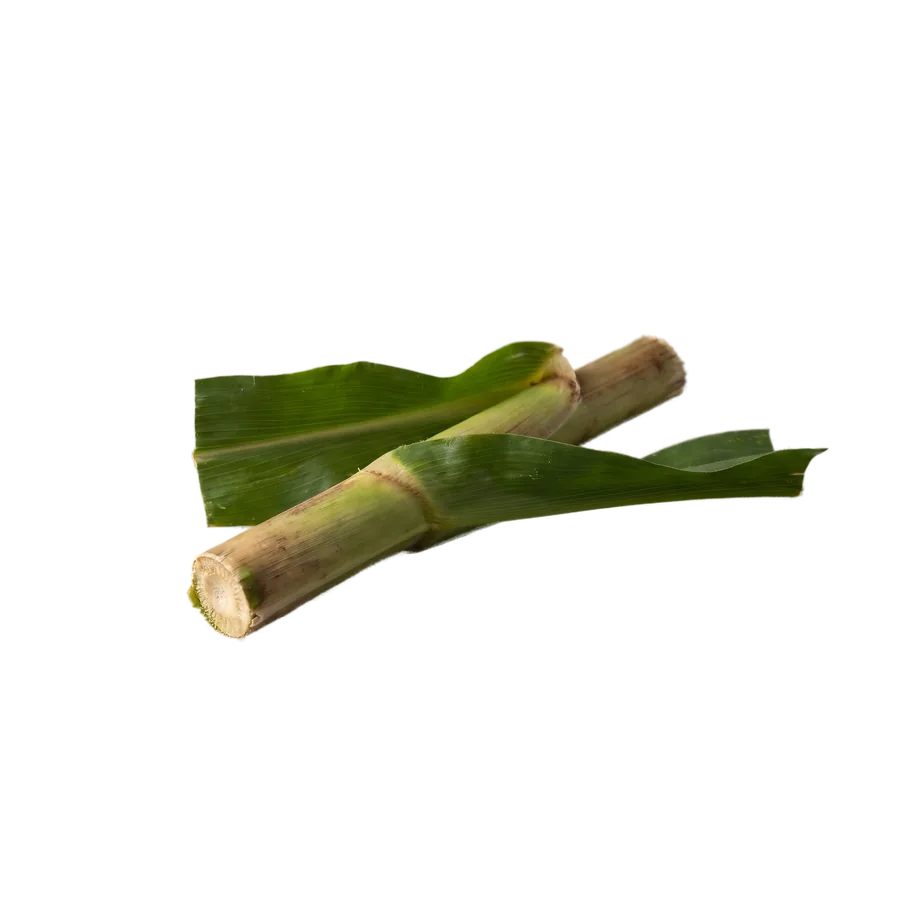
3 to 5 months. Grain, husk, cob, stalk: all used.

 Talk to us
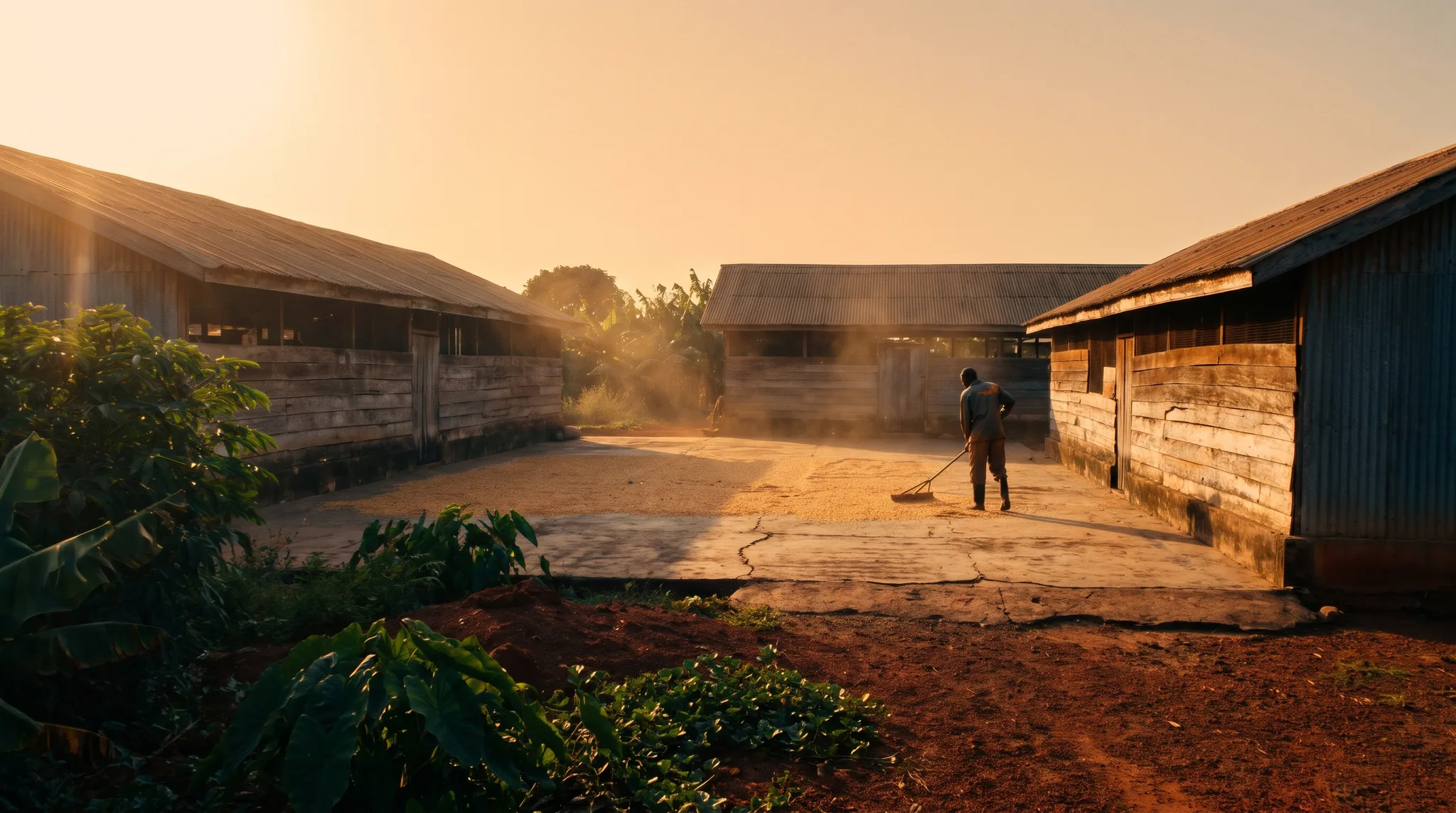
Jeduako, Ghana. Crops, livestock, forest. Every part of every plant used.

A belt of trees runs the length of the river. Between the rows, groundnut, cowpea and soybean roots carry bacteria that fix nitrogen into the soil, so the ground feeds the next crop before anyone lifts a hoe.
We farm the soil first. Everything else is what it gives back.
The orchards
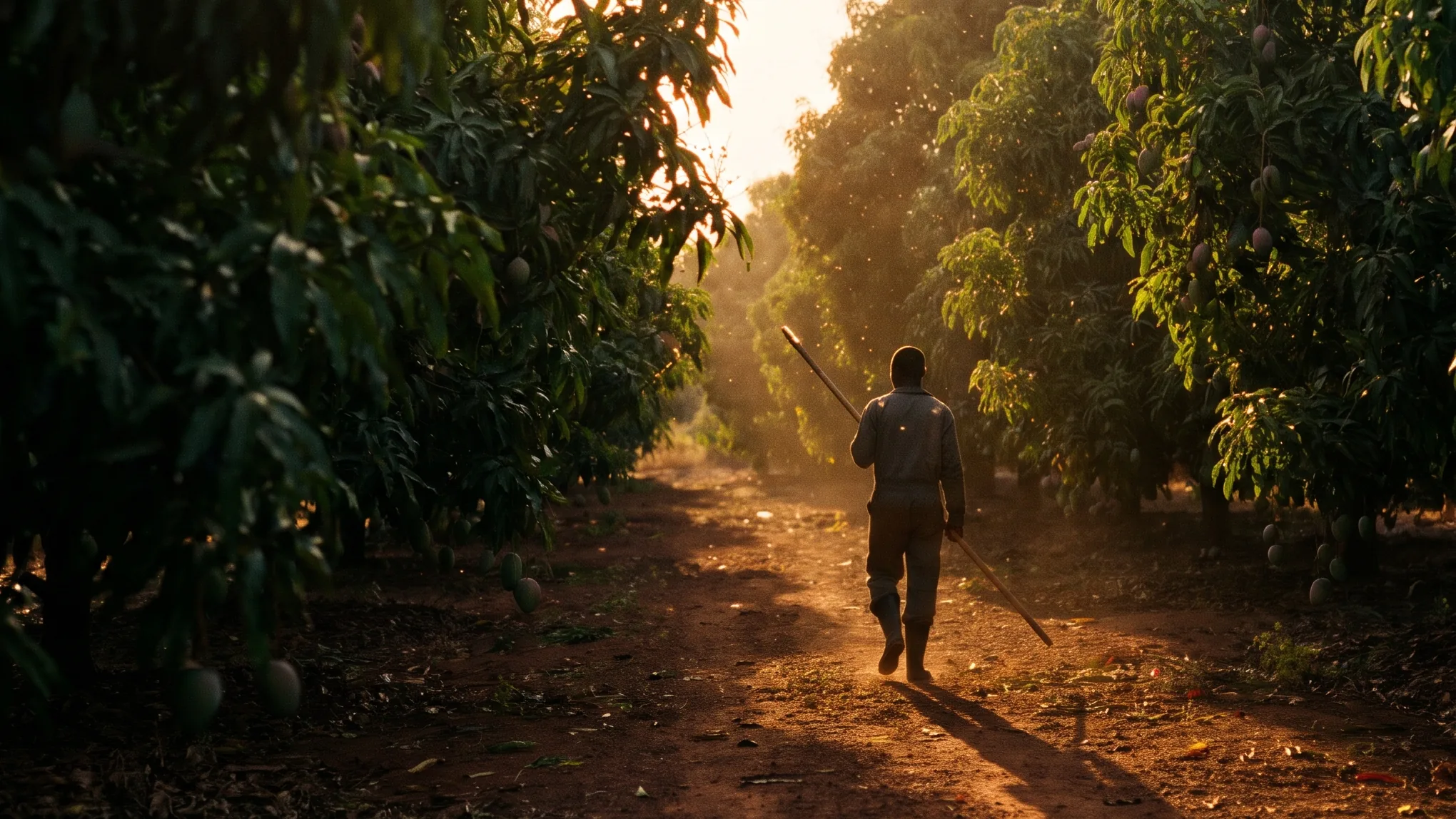
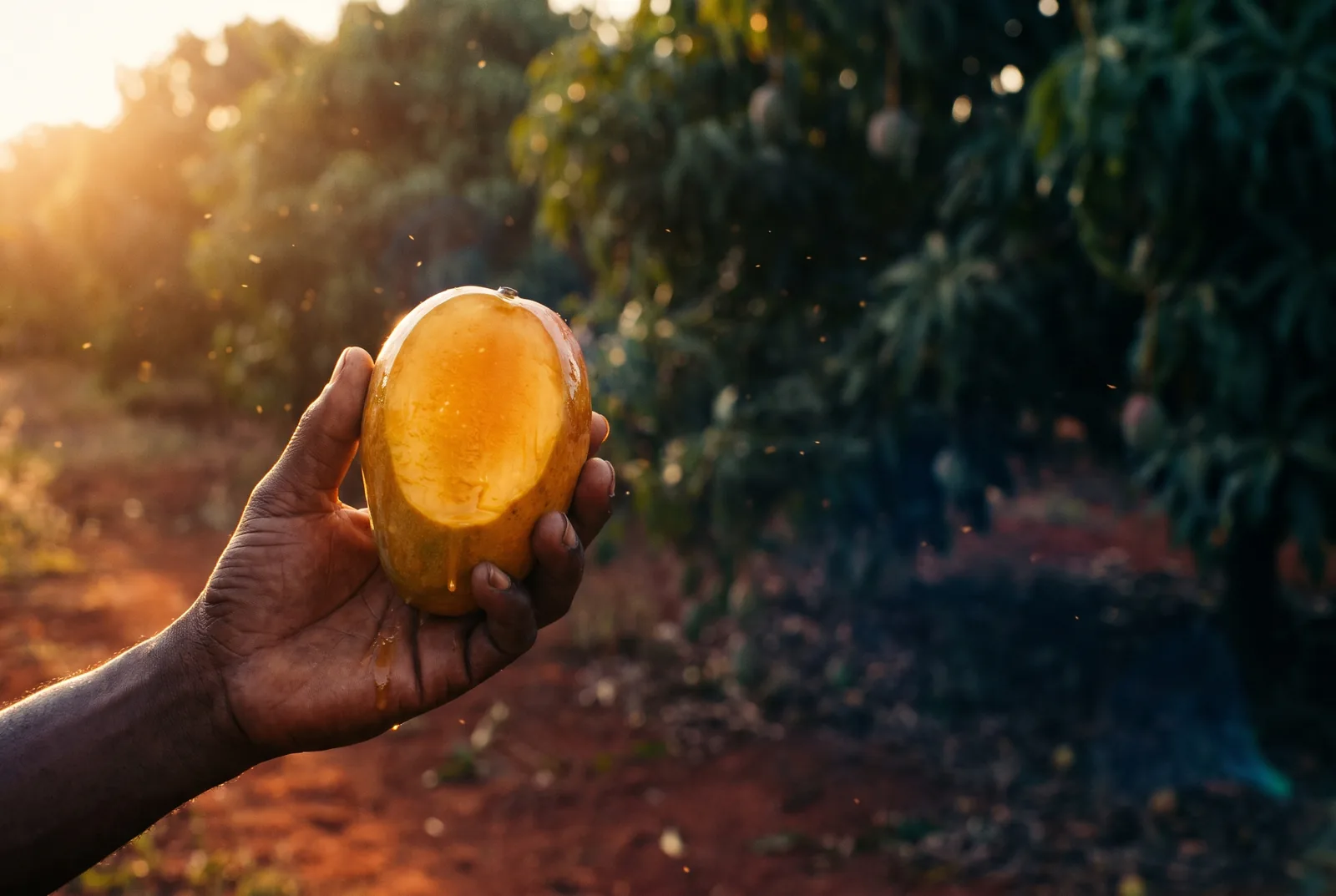
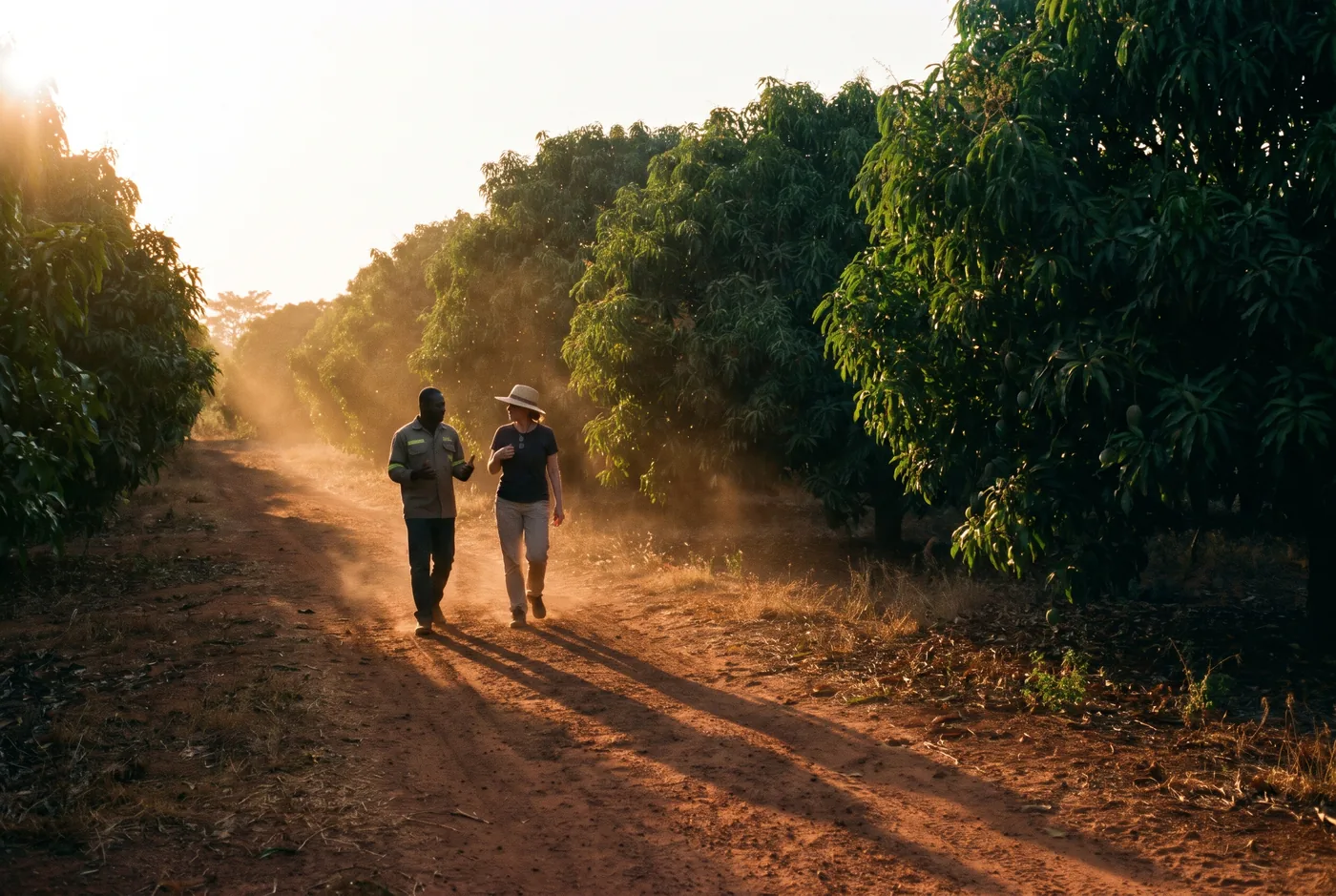
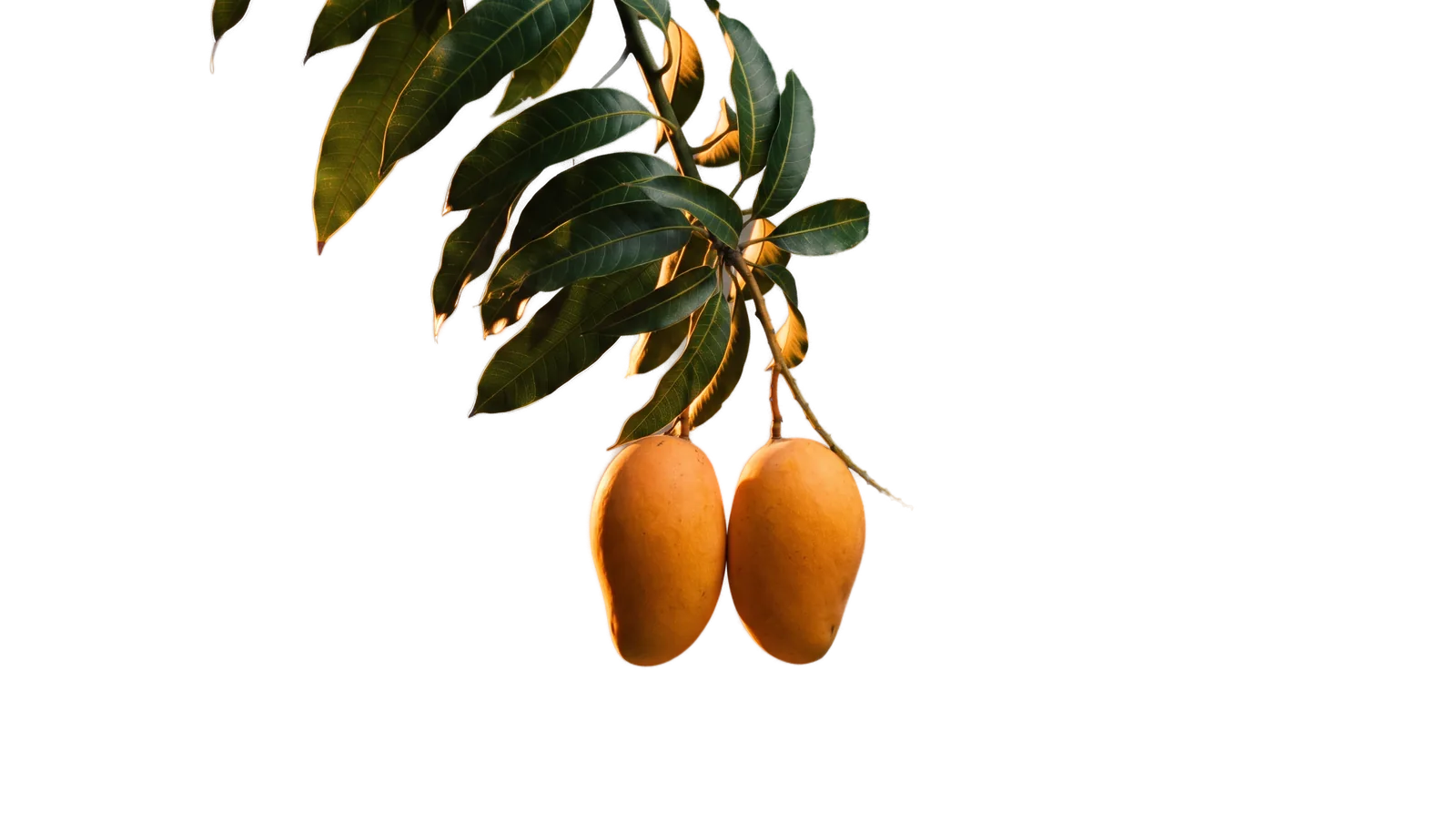
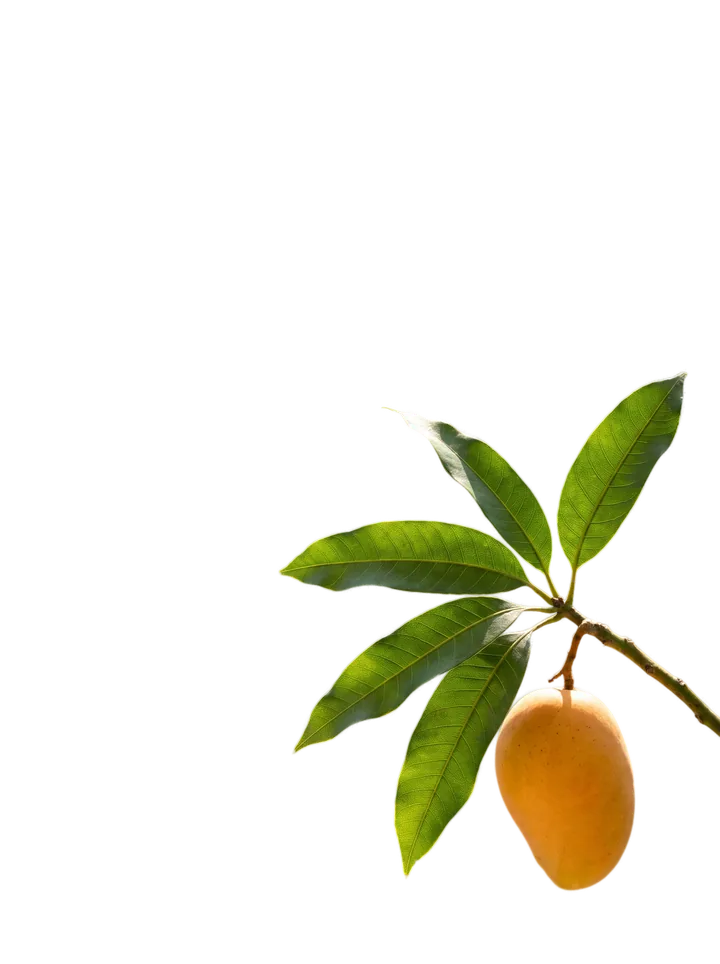
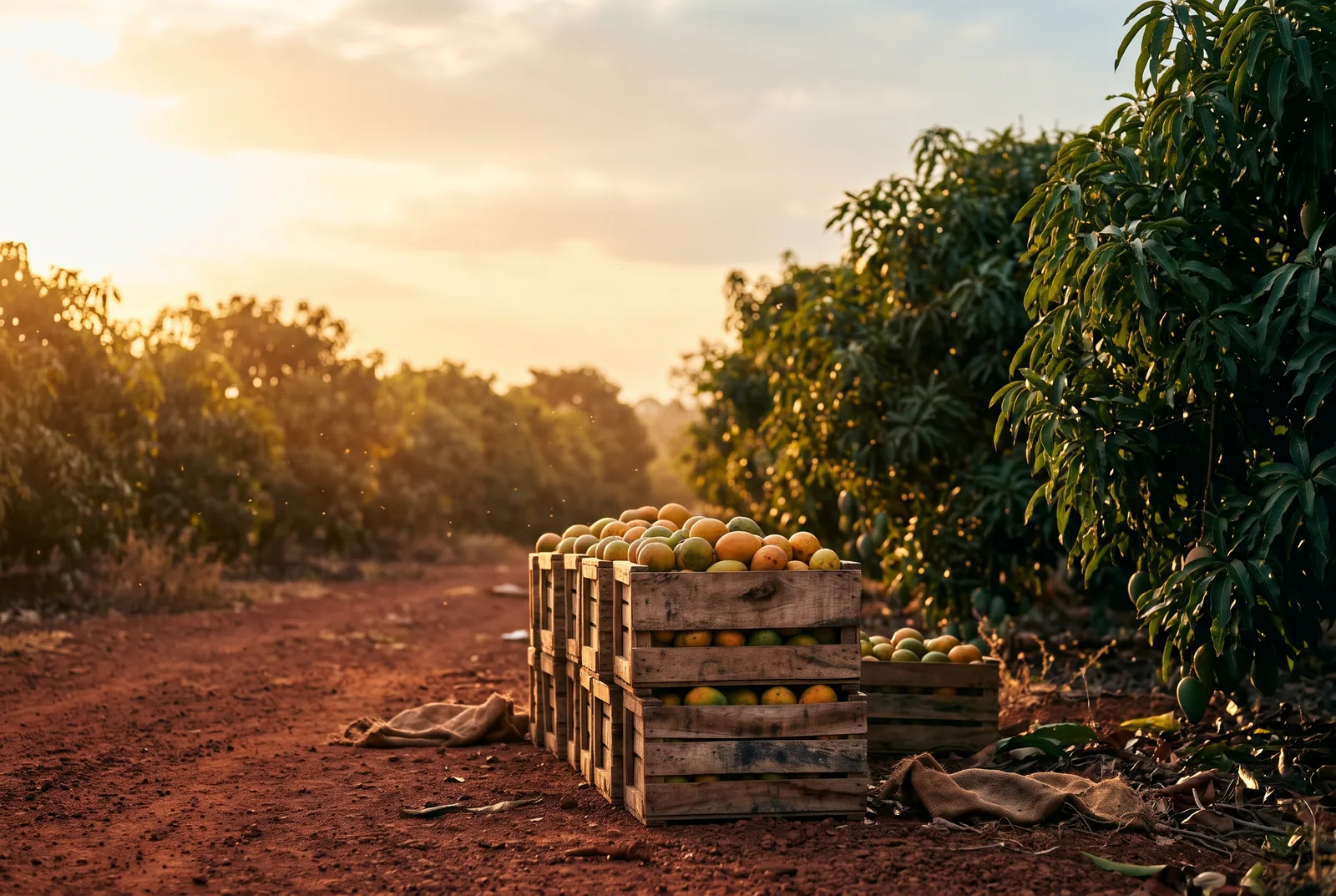
Rows of mango run across the top of the estate where the ground drains fastest. Picked ripe, sold whole, and the fruit that does not travel becomes juice and preserve in the processing house down the road.
Short-season crops rotate through the plots at the centre of the estate. Each card says how long it takes and what we do with the whole plant.
3 to 5 months. Grain, husk, cob, stalk: all used.
3 to 6 months. Grain; bran for feed and oil; straw for bedding; husk for fuel.
3 to 5 months. Grain for porridge and flour; stalks for thatch, fencing and fuel.
3 to 5 months. Grain and flour; stalks for fencing and building.
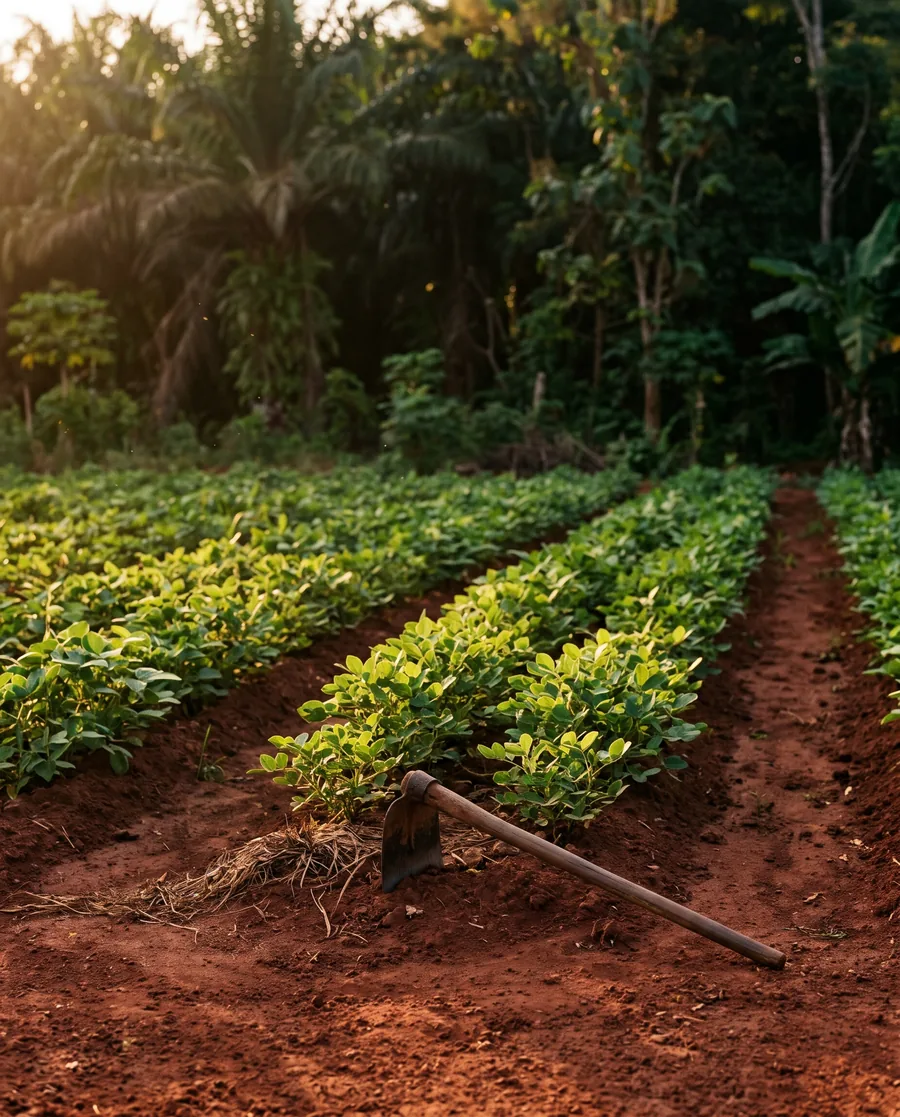
3 to 5 months. Nuts for paste and oil; shells for mulch and fuel; roots feed the soil.
2 to 4 months. Beans, young pods and leaves; vines feed the livestock.
3 to 5 months. Beans for milk, tofu, oil and feed; roots feed the soil.
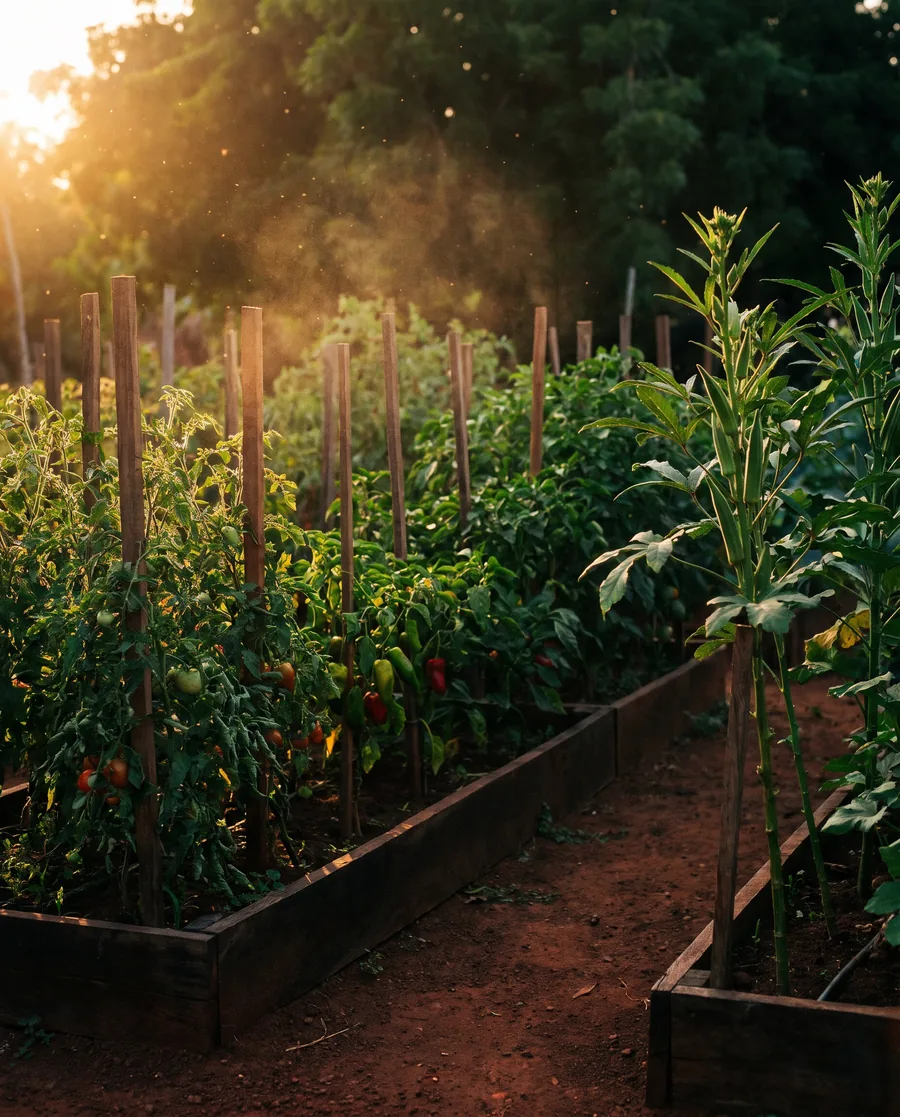
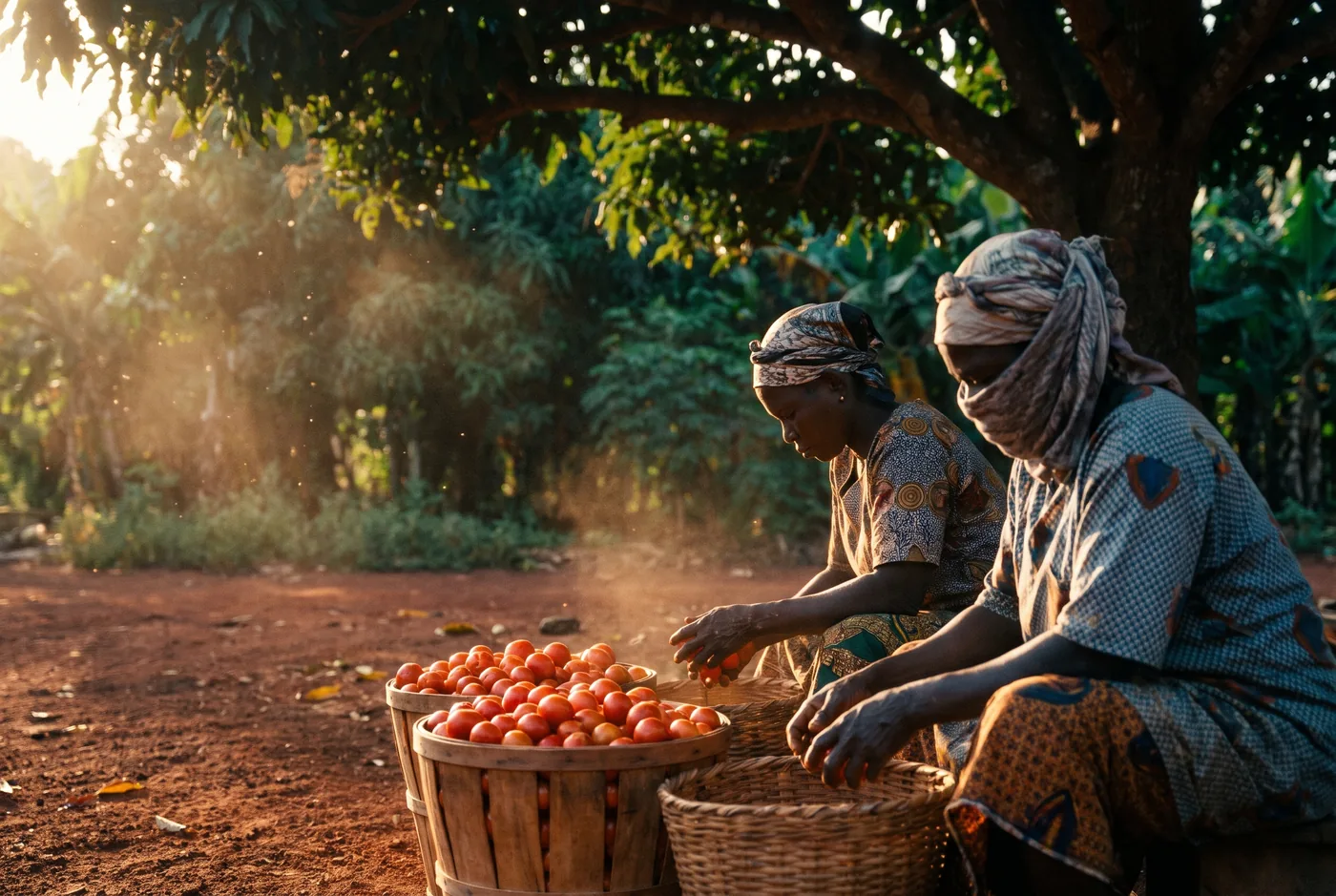
2 to 4 months. Fruit for sauce and juice; seed saved; damaged fruit composted.
2 to 4 months. Fruit for spice and sauce; seed saved.
2 to 3 months. Pods and leaves; seed saved; stems composted.
3 to 5 months. Fruit for stews; leaves eaten; seed saved.
2 to 3 months. Fruit fresh or pickled; vines composted.
3 to 4 months. Flesh and juice; seeds roasted; rind pickled.
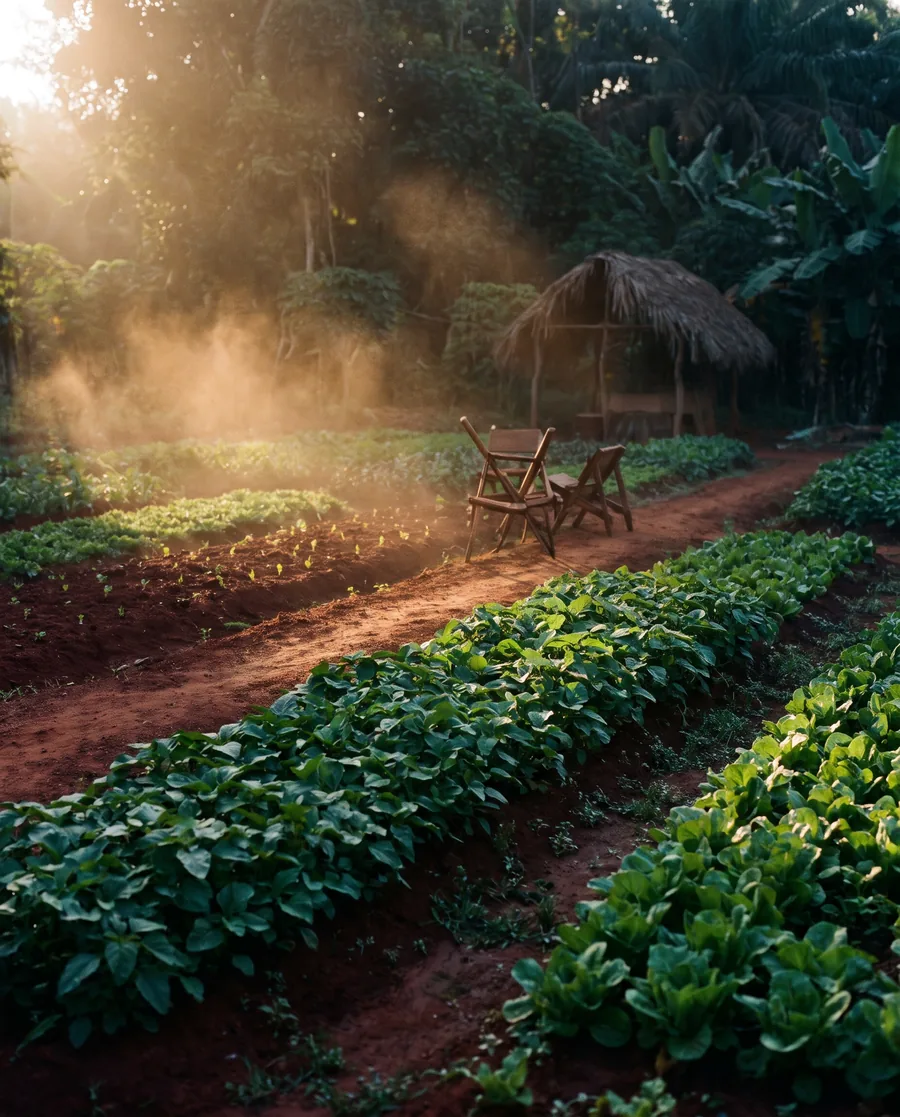
3 to 8 weeks. Leaves and stems; seed as grain.
1 to 3 months. Leaves and tender stems; the rest composted.
3 to 5 months. Bulb and green leaves; seed saved.
6 to 10 weeks. Leaves and white stem; roots regrown.
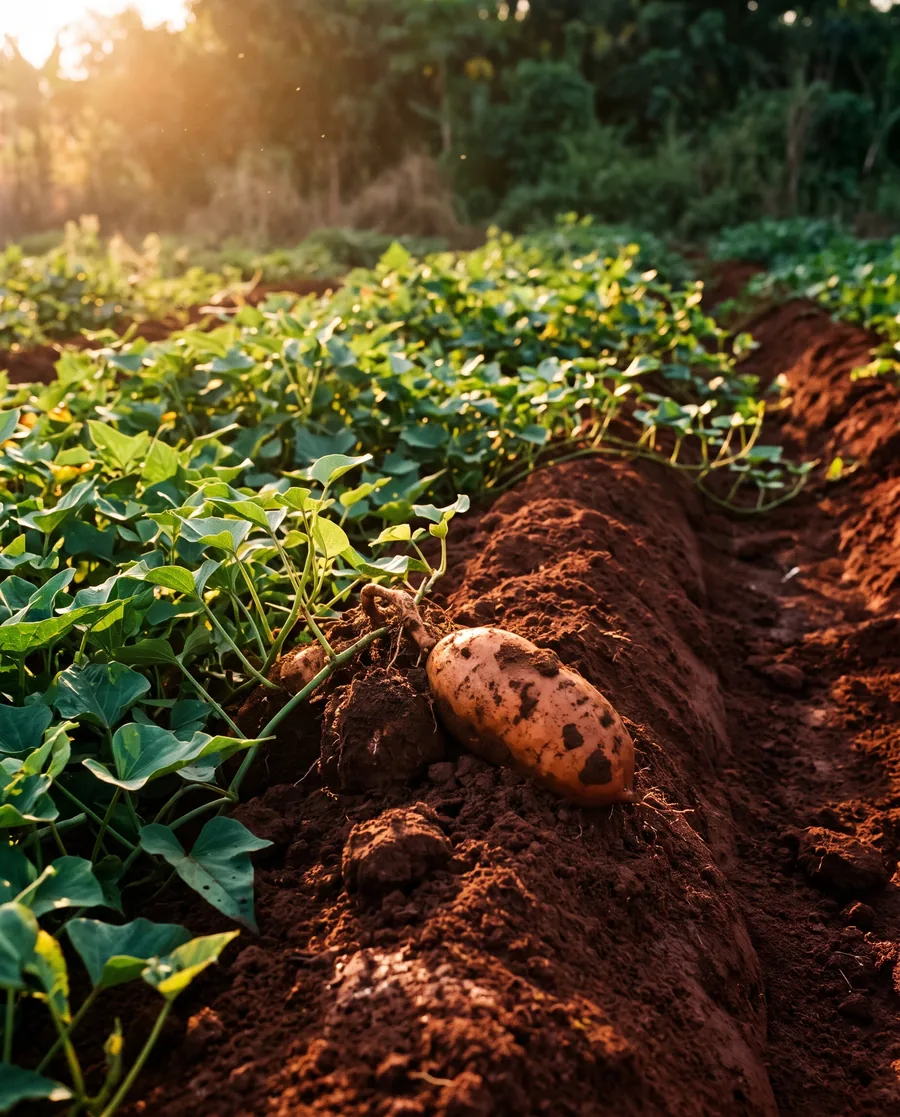
3 to 5 months. Tubers for food and flour; leaves eaten; vines planted and fed.
From the orchards. Fruit, fresh and preserved.
Growing periods and uses from our field guide. Nothing here is a promise about yield.

The range sits on the high ground to the east. Crop residue from the fields goes to the animals; what the animals leave goes back to the fields.
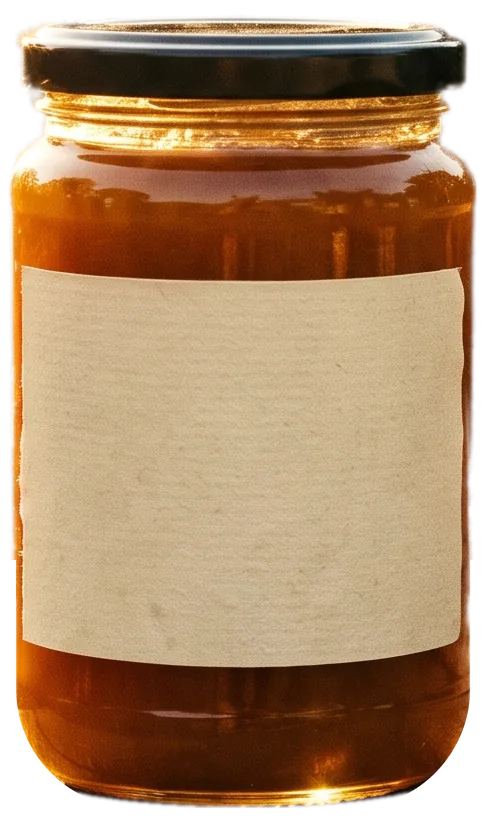
Kwamoka mango, from the orchards up the road. One of nineteen crops, and the jar is only the start.
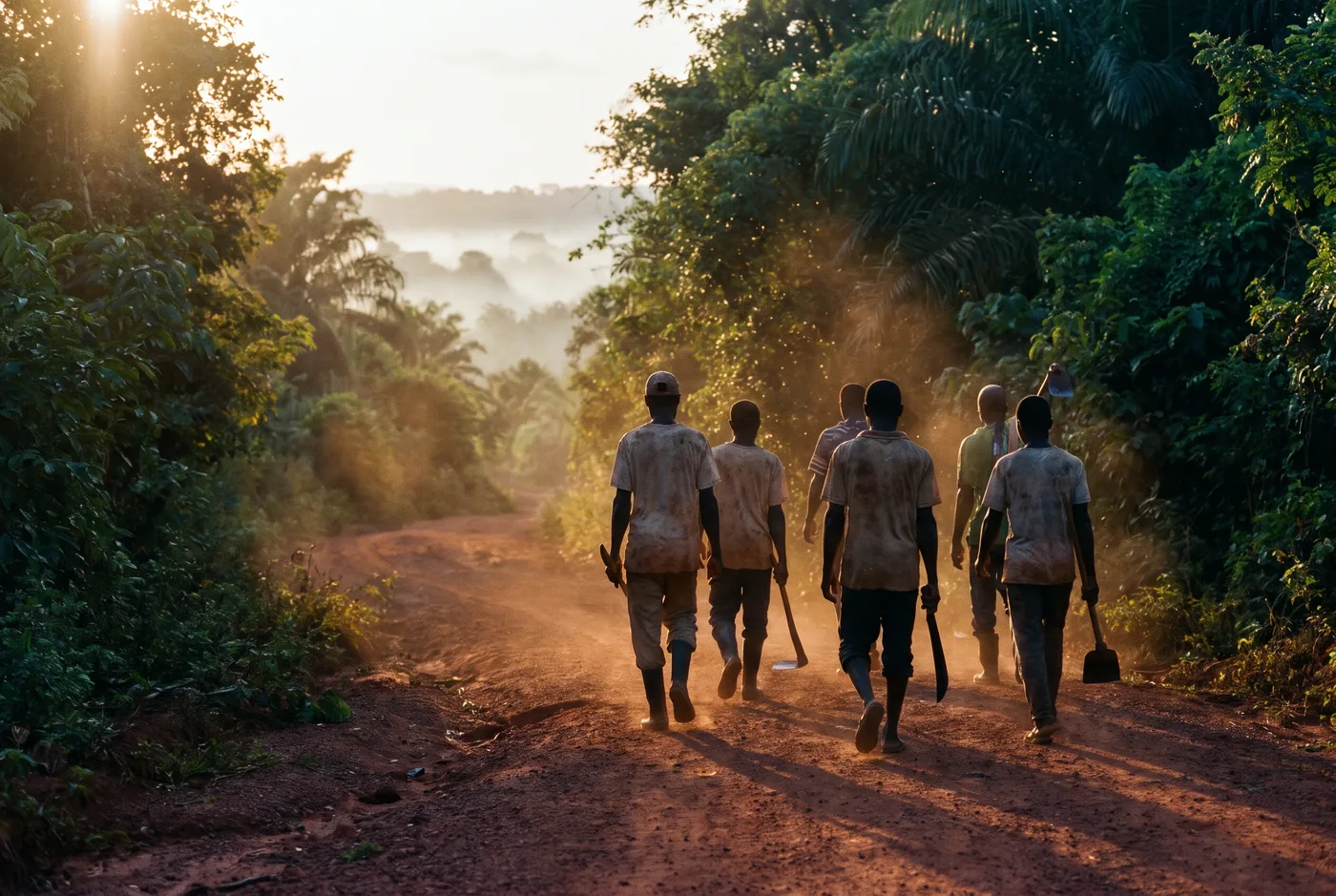
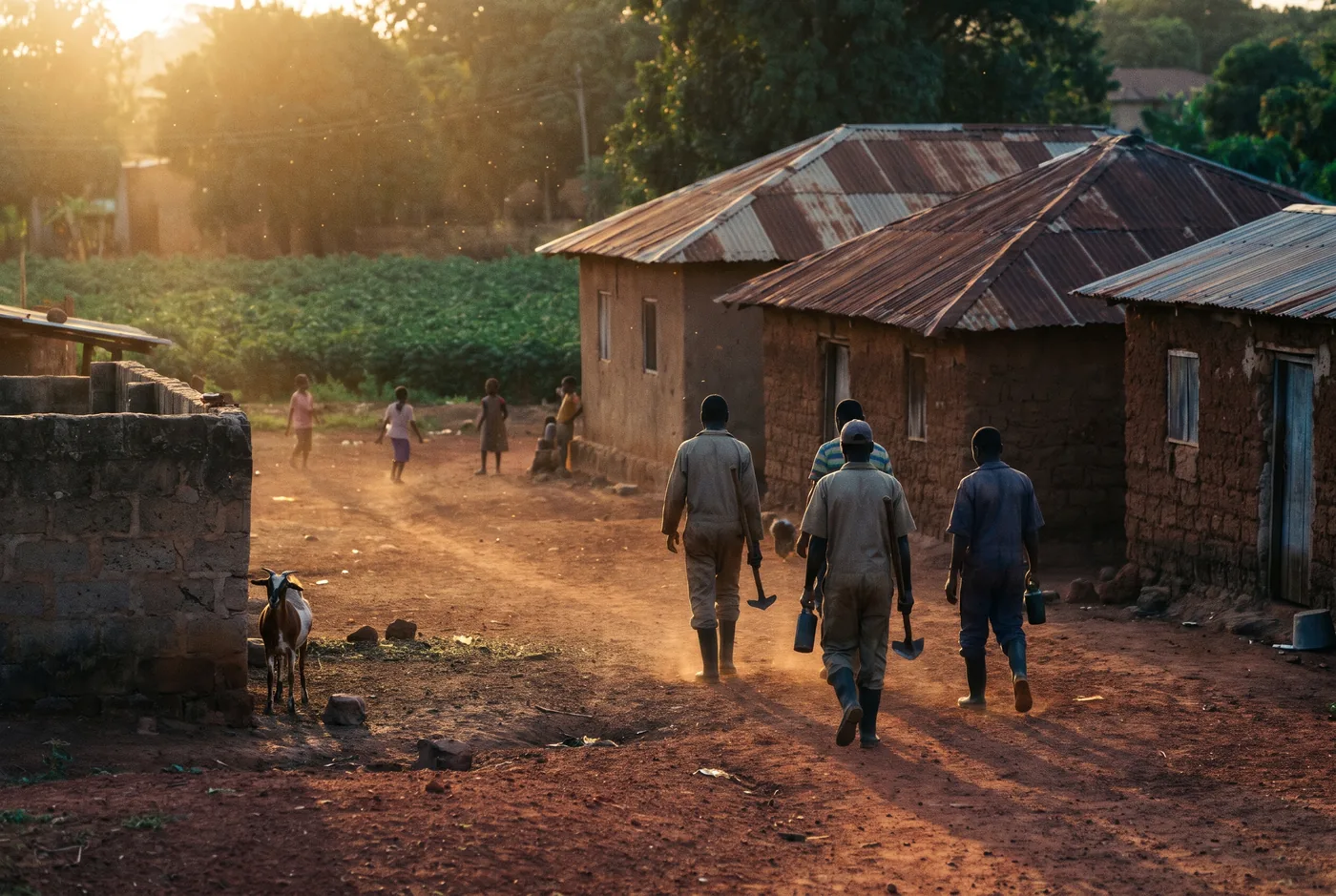
The farm sits at the edge of the village. The people who plant, pick, herd and sort here live a short walk from the gate, and the farm buys, hires and sells locally first.
Farm visits are by arrangement.